Was ist die Wissensbilanz
Eine Wissensbilanz „Made in Germany“ wird nach der bewährten und innovativen Wissensbilanz-Methodik des BMWi (Bundesministerium für Wirtschaft und Technologie) und der Fraunhofer-Gesellschaft durchgeführt. Es handelt sich dabei um eine wirkungsbasierte Potenzialanalyse über 3-5 moderierte Team-Workshops, in denen auf Basis einer strategischen Vorlage eine Identifizierung, Bewertung und eine zielgerichtete Entwicklung der wahren geschäftlichen Erfolgstreiber nach dem „Pareto-Prinzip*“ ermöglicht wird. Ungehobene Schätze werden so in Rekordzeit gehoben: Die Wissensbilanz ermöglicht verlässlich und erprobt in nur 4-8 Wochen, das ehemals kaum messbare immaterielle oder intellektuelle Kapital in Ihrem Unternehmen gezielt aufzuzeigen, es zu entwickeln und für den Geschäftserfolg einzusetzen.
Das Ergebnis einer Wissensbilanz sind neben dem spannenden und sehr dynamisch moderierten Team-Prozess 100%ig passende und sehr wirkungsvolle Verbesserungs-Maßnahmen, die meist im jährlichen Turnus gemäß einem KVP (kontinuierlichen Verbesserungsprozess) angepasst werden.
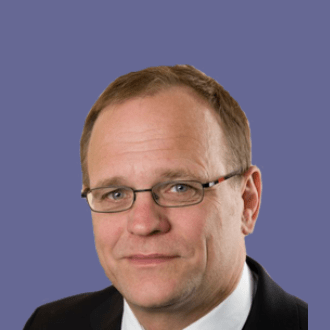
"Durch die Wissensbilanz kann ich sicher fundiertere Entscheidungen bezüglich eines sehr komplexen Software-Projektes treffen ..."
Ulrich Schlobinski
Geschäftsführer naviga GmbH
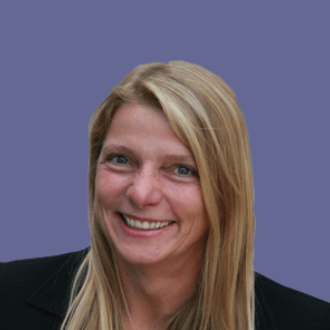
"Die WISSENSBILANZ-NORD bietet Marketing-Experten das geeignete Futter zur Weiterentwicklung ..."
Heike Behrens
Marketingleitung ITN GmbH
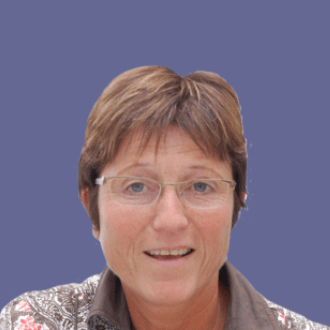
"Am Anfang hatte ich Zweifel, aber beim zweiten Mal hat es bei mir Klick gemacht: Das wird jetzt was ..."
Frau Reckling
Kaufmännische Mitarbeiterin Hans Sack GmbH
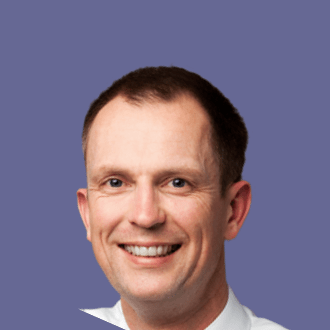
„Das Apandia-Netzwerk bestand schon 2 Jahre, durch die WISSENSBILANZ-NORD wurde es deutlich in Bewegung gesetzt ..."
Thomas Bleeker
Geschäftsführer der Apandia GmbH

„Die whoop!-Wissensbilanz führte uns über die intelligente Fragestruktur direkt zu unseren wirklichen Erfolgstreibern!"
Lennard Petersen
Geschäftsführer whoop! GmbH
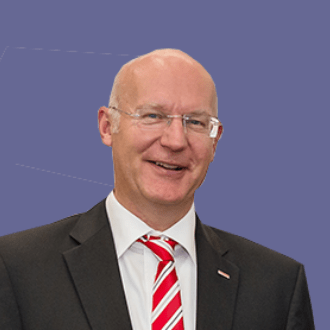
"Wir sehen die DESMA-Prozess-Wissensbilanz als das wichtigste Verbesserungs-Projekt für unseren KVP in diesem Jahr an"
Klaus Freese
Geschäftsführer KLÖCKNER DESMA SCHUHMASCHINEN GMBH
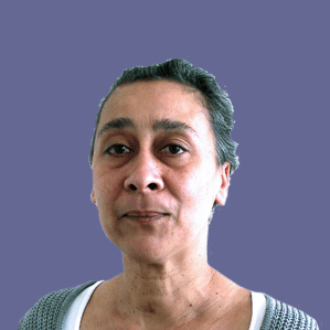
„Die WISSENSBILANZ-NORD zeigte uns, wie wir uns in unserer Zielsetzung optimal strategisch für die Zukunft aufstellen...“
Maya de Silva
Inhaberin de Silva, Das und Partner – Kommunikation und Design, Bremen
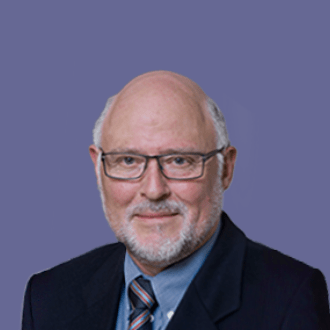
"Die WISSENSBILANZ-NORD zeigt Mittelständlern sehr realistische Wege zur besten Nutzung des Innovationspotenzials..."
Kurt Nobel
Geschäftsführer DINO Anlagen- und Machinenbau e.K.

„Wir haben mit der Wissensbilanz eine wesentlich realistischere Einschätzung für die Wechselwirkungen unserer eng verzahnten Prozesse bekommen..."
Marco Stolle
Geschäftsführer Gestaltung und Organisation werk85
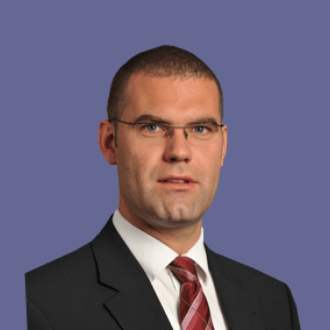
"Mein Fazit: Unbedingt Empfehlenswert! Fundierte Verbesserungsmaßnahmen für unsere Prozesse, gemeinsam entwickelt..."
Marten Beiersdorf
Vertriebsleitung - DESMA Head of Sales
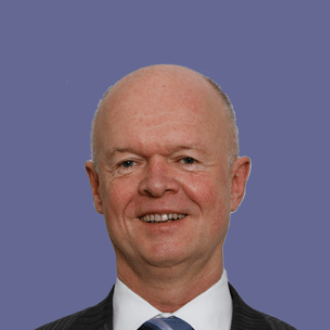
"Unsere Wissensbilanz hat uns wesentliche und wertvolle Einblicke in unsere sehr komplexen Geschäftsprozesse erbracht ..."
Alexander Künzel
Vorstandsvorsitzender der Bremer Heimstiftung
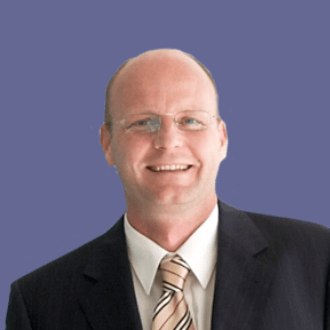
"Eine sehr günstige, schnelle und sehr wirksame interne Unternehmensberatung durch die WISSENSBILANZ-NORD ..."
Olaf Wiegmann
Geschäftsführer, VIVENTU SOLUTIONS AG

„Mit der WISSENSBILANZ-NORD haben wir unsere Kraft gebündelt auf die Straße bekommen- schon jetzt 30% mehr Umsatz!"
Thomas Beck
Inhaber der Künstlergemeinschaft DOPPELPACK-KONZEPT

"Dank der WISSENSBILANZ-NORD wissen alle Mitarbeiter, wie das Unternehmen tickt und worin der „Rote Faden“ der Geschäftsführung besteht..."
Christian Nobel
Mitglied der Geschäftsführung
DINO Anlagen-und Maschinenbau e.K., Bremen

"Mit der Wissensbilanz wurden endlich die Themen strukturiert und offen behandelt, die sonst immer unter den Tisch fielen!"
Dennis Budde
IT-Consultant VIVENTU SOLUTIONS AG

"Unsere Vision lautet: Qualitätsführerschaft in der ambulanten Behindertenhilfe! Wir spüren über die Wissensbilanz eine Aufbruchstimmung bei klarem Ziel!"
Rüdiger Daartz
Geschäftsführer Paritätische Dienste Bremen GmbH
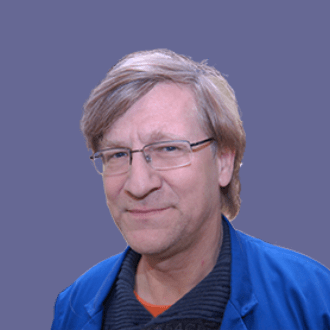
"Die WISSENSBILANZ-NORD klärt Verantwortlichkeiten und vermeidet unnötige Missverständnisse - und das Arbeiten macht wieder mehr Spaß!“
Uwe Jonas
Werkstattleiter E-Technik
DINO Anlagen-und Maschinenbau e.K., Bremen
"Die WISSENSBILANZ-SÜD lieferte strategische Ergebnisse und Maßnahmen in höchster Qualität - und gleichzeitig die dazu nötige Mitarbeiter-Einbeziehung..."
Harald Schilling
VP International der headtechnology GmbH
"Die Einbeziehung von weichen Faktoren ermöglicht mit der WISSENSBILANZ-NORD ein neues, sehr zielgerichtet abgestimmtes Vorgehen miteinander!"
Christoph Thiel
Geschäftsführer, VIVENTU SOLUTIONS AG
"Wir freuen uns sehr über das sehr gute Wissensbilanz-Ergebnis, das uns auf einem sehr hohen Niveau weitere Chancen zur Potenzialverbesserung bietet"
Albert Fischer
Geschäftsführer der Albert Fischer GmbH
„Wir empfehlen die WISSENSBILANZ-NORD, denn sie unterstützt effektiv die Planbarkeit des Unternehmens-Erfolges..."
Dr. Helmut Thamer
Geschäftsführer der TuTech-Innovation GmbH, Hamburg

„Die WISSENSBILANZ-NORD half uns, unsere vier neuen Qualitäts-Säulen zu definieren und gezielte Optimierungs-Maßnahmen zu entwickeln“
Tobias Fisahn
Manager Personal
Paritätische Dienste Bremen GmbH
„Durch die WISSENSBILANZ-NORD habe ich meinen neuen Arbeitgeber blitzschnell und sehr tiefgehend in seiner Besonderheit kennengelernt ..."
Peter Färber
Vertriebsmitarbeiter der INnUP Deutschland GmbH
"Durch die Wissensbilanz wurde mir viel deutlicher klar, was mein Bereich zum Unternehmen beiträgt und wie alles miteinander zusammenhängt ..."
Jeannine Smuskewicz
Disponentin und Koordinatorin, VIVENTU SOLUTIONS AG

„Am eindrucksvollsten bei unserer Wissensbilanz war für mich, dass Maßnahmen auch tatsächlich schnell umgesetzt werden ..."
Jörg Keuters
Projekt- und Abteilungsleiter, Hans Sack GmbH
"Über unsere Wissensbilanz wird unser Wissen und Know-How gebündelt. Unser Potenzial kann deutlicher nach außen getragen werden"
Rainer Krone
Geschäftsführer der KRONE FILTERTECHNIK GmbH

„Ich bin begeistert über die wirkungsvolle Verbindung von Software und Teamprozess innerhalb der Wissensbilanz..."
Malte Legenhausen
Geschäftsführer Programmierung/Innovation werk85 GbR
„Die Wissensbilanz ist ein tolles Werkzeug, um die weichen Faktoren des Unternehmens transparent zu machen ...“
Bettina Wiegmann
Aufsichtsrat VIVENTU SOULUTIONS AG, Bremen

„Das Ziel der Wissensbilanz wurde erreicht: Unsere wichtigen Themen wurden klar benannt und analysiert. Es gibt sehr sinnvoll abgeleitete Maßnahmen...“
Almut Wiemers
LWL-Jugendheim Tecklenburg Betriebsleiterin und Dipl. Psychologin
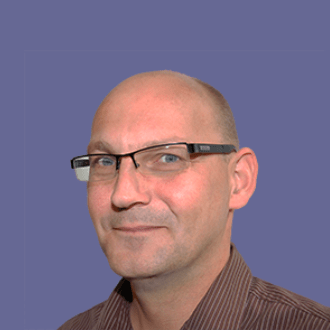
"Innerhalb von 3 Monaten 30% mehr Effektivität in Kunden-Projekten durch die WISSENSBILANZ-NORD - sehr empfehlenswert für Medien-Agenturen..."
Michael Brassat
Geschäftsführer der BRASSAT Mediengruppe GmbH
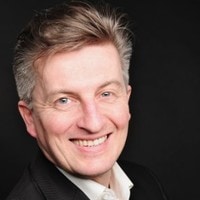
Ihr Ansprechpartner: Detlef Kahrs
Inhaber der WISSENSBILANZ, Fraunhofer-geprüfter und zertifizierter Wissensbilanz-Moderator Stufe 3 (> 100 Wissensbilanzen z.T. mit Wissensbilanz-Audit, staatl. anerkannter Diplom Pädagoge und langjährig erfahrener Trainer, Coach, Moderator und Unternehmensberater in verschiedensten Branchen.
Als Inhaber von WISSENSBILANZ sowie als Ihr durch die Fraunhofer Academy ausgebildeter branchenübergreifender Moderator, Berater, Trainer und Coach für Wissensbilanzen setzen mein Team und ich uns dafür ein, Ihren Unternehmenserfolg zielgerichtet zu entwickeln.
Unsere Kernkompetenz beruht darauf, Menschen nachhaltig, partnerschaftlich, dynamisch und impulsgebend in Entwicklungs- und Veränderungsprozessen zu begleiten. Entwicklung wird dabei erreicht
- durch individuelle Beratungsleistungen
- durch intensives Training von Kompetenzen
- durch konzentriertes Coaching von Prozessen
- durch sonstige Dienstleistungen wie Training, Coaching, Konzeptionierung, Szenario- und Entwicklungsplanung, klassisches und innovativ-dynamisches Projektmanagement u.v.m.)
Nachhaltigkeit der Entwicklung gewährleistet dabei ein dynamischer und methodisch klar geführter Prozess. Erfolg auf allen Ebenen ist der Ausdruck dafür.
Agil@Wissensbilanz
Agilität ist die Fähigkeit der Menschen einer Organisation, ihre Strategien, Strukturen und Prozesse kurzfristig an die tatsächlichen Gegebenheiten anzupassen. Die Wissensbilanz Made in Germany orientiert sich an dem übergeordneten Ziel, anpassungsfähig zu werden. Methodisch wird dieser Zustand strukturiert zum kontinuierlichen Verbesserungsprozess ausgebaut. Diese nachhaltige Anpassungsfähigkeit sorgt dafür, dass Veränderung jeglicher Art zukünftig sogar als Wettbewerbsvorteil für Ihr Unternehmen genutzt wird.
Wünschen Sie unverbindlich mehr Informationen zum Thema oder einen Austausch über Telefon oder in einem Webmeeting? Dann schreiben Sie bitte eine E-Mail mit Ihrem Terminwunsch– wir freuen uns auf den Kontakt zu Ihnen!
Verständnis@Wissensbilanz
Verständnis bedeutet im Rahmen der Wissensbilanz Made in Germany die Fähigkeit der Menschen einer Organisation, sich in ihre Strategien, Strukturen und Prozesse besser hineinzuversetzen zu können, um die richtigen Entscheidungen zu treffen. Die Wissensbilanz Made in Germany ermöglicht allen Beteiligten, die Besonderheiten und Standpunkte der Beteiligten im Verhältnis zu den Zusammenhängen und Wechselwirkungen der Organisation besser zu verstehen.
Wünschen Sie unverbindlich mehr Informationen zum Thema oder einen Austausch über Telefon oder in einem Webmeeting? Dann schreiben Sie bitte eine E-Mail mit Ihrem Terminwunsch– wir freuen uns auf den Kontakt zu Ihnen!
Prozesse@Wissensbilanz
Die Wissensbilanz Made in Germany untersucht die Strategien, Strukturen und Prozesse einer Organisation und bilanziert den Status-Quo im Verhältnis zu gesetzten Zielen. So entsteht wirkungsvolles, weil auch gelebtes Prozessmanagement in einem kontinuierlichen Verbesserungsprozess über gezielte Verbesserungsmaßnahmen. Übrigens: Die Wissensbilanz liefert regelmäßig belastbare Grundlagen für den Start eines betrieblichen Prozessmanagements- siehe vertiefend auch „Qualität@wissensbilanz“
Wünschen Sie unverbindlich mehr Informationen zum Thema oder einen Austausch über Telefon oder in einem Webmeeting? Dann schreiben Sie bitte eine E-Mail mit Ihrem Terminwunsch– wir freuen uns auf den Kontakt zu Ihnen!
Team@wissensbilanz
Die Wissensbilanz Made in Germany-Methodik zeigt das oftmals implizite und explizite Wissen sowie die damit entstehenden Erafahrungen und Meinungen der Menschen innerhalb der Organisation. Dieser Prozess erzeugt ein Zusammenrücken in der Organisation, den die Teilnehmenden regelmäßig als enormen Energie-und Motivationsschub beschreiben.
Wünschen Sie unverbindlich mehr Informationen zum Thema oder einen Austausch über Telefon oder in einem Webmeeting? Dann schreiben Sie bitte eine E-Mail mit Ihrem Terminwunsch– wir freuen uns auf den Kontakt zu Ihnen!
Ziele@wissensbilanz
Die Wissensbilanz orientiert sich an übergeordneten Zielen und Visionen der Organisation, die oftmals erstmalig im Rahmen der Wissensbilanz Made in Germany erarbeitet werden. Sie dienen als gleichzeitig der Orientierung und als „Zukunfts-Messlatte“, an der gemessen vom Wissensbilanz-Team zur Organisation auch wirklich passende zielgerichtete Erfolgstreiber-Maßnahmen entwickelt werden. Diese Verbesserungs-Maßnahmen werden vom Wissensbilanz-Team als Projekte mit klaren Zielen, Inhalten, Vorgehens-Schritten und Verantwortlichkeiten entworfen und der Entscheider*innen-Ebene zur Unmsetzung vorgeschlagen bzw. präsentiert. Die Wissensbilanz-Toolbox bietet dazu den passenden Projektmanagement-Bereich.
Wünschen Sie unverbindlich mehr Informationen zum Thema oder einen Austausch über Telefon oder in einem Webmeeting? Dann schreiben Sie bitte eine E-Mail mit Ihrem Terminwunsch– wir freuen uns auf den Kontakt zu Ihnen!
Erfahrung@Wissensbilanz
Erfolgreicher Wissenstransfer lebt von der bereitschaft der Wissensträger*innen zur Transparenz. Das zugrundeliegende Vertrauen wird innerhalb der Wissensbilanz Made in Germany-Methodik erzeugt, indem sowohl die eigenen Standpunkte als auch die eigene Einschätzung zur Wirkung des erworbenen Wissens ermöglicht und gewürdigt wird.
Explizites und implizites Wissen werden nach Nonaka und Takeuchi und dem SECI-Modell in den vier klassischen Formen der Wissensübertragung kombiniert: Sozialisation, Externalisierung, Kombination und Internalisierung. Je häufiger die darin beschriebene Wissensspirale durchlaufen wird, desto komplexer wird das organisatorische Wissen, das dem Unternehmen selbst dann noch zur Verfügung steht, wenn einzelne Wissensträger das Unternehmen verlassen. Wir wenden seit Jahren erfolgrei verschiedene Wissenstransfer-Methoden an- fragen Sie uns bitte nach den Möglichkeiten für Ihr Unternehmen!
Wünschen Sie unverbindlich mehr Informationen zum Thema oder einen Austausch über Telefon oder in einem Webmeeting? Dann schreiben Sie bitte eine E-Mail mit Ihrem Terminwunsch– wir freuen uns auf den Kontakt zu Ihnen!
Lösungen@Wissensbilanz
Gemeinsam Lösungen (er-)finden für dringende betriebliche Fragen: Welche Kompetenzen sind für mich und/oder meine Mitarbeitende erfolgskritisch? Welche Strukturen brauche ich, um die richtigen Innovationen zu generieren? Welche Beziehungen zu Partnern und Netzwerken sind von strategischer Bedeutung für unseren zukünftigen Erfolg? Solche Fragen werden heute immer wichtiger für den unternehmerischen Erfolg- die Wissensbilanz Made in Germany liefert verlässliche Antworten und Lösungen, gemeinsam gefunden und zielgerichtet entwickelt innerhalb der Wissensbilanz Made in Germany-Workshops.
Wünschen Sie unverbindlich mehr Informationen zum Thema oder einen Austausch über Telefon oder in einem Webmeeting? Dann schreiben Sie bitte eine E-Mail mit Ihrem Terminwunsch– wir freuen uns auf den Kontakt zu Ihnen!
Management@Wissensbilanz
Leader*innen haben einen positiven Einfluss auf das Verhalten ihrer Mitarbeitenden, indem sie dazu inspirieren und motivieren, gesetzte Ziele und die Vision der Organisation agil zu verfolgen. Durch initiierte Agilität wird auch innerhalb der Wissensbilanz Made in Germany viel Kreativität, Innovation und Wandelbereitschaft freigesetzt. Management und klassischer Führung entgegen dreht sich klassisch eher um die Organisation und Steuerung von Ressourcen, Prozessen und Personen basierend auf bereits bestehenden Werten und Erfahrungen.
Die Wissensbilanz bietet modernen Führungskräften viele Vorteile in einem fokussierten Prozess:
- Die Identifizierung und Ableitung konkreter Handlungsfelder und Maßnahmen zur Erreichung der Unternehmensziele
- Die Unterstützung der strategischen Weiterentwicklung und internen Steuerung
- Ein vor allem für KMUs effizientes UND effektives kostenloses und lizenzfreies Tool
- Ein unterstützendes Reporting-Werkzeug intagibler Werte (beispielsweise für Nachhaltigkeitsberichte oder für die Beantragung von Krediten für KMUs zur Einstufung der Kreditwürdigkeit)
- Ein unterstützendes Changemanagement-Tool vor allem für Organisationen, deren digitale Transformation Agilität und Change erfordert.
Wünschen Sie unverbindlich mehr Informationen zum Thema oder einen Austausch über Telefon oder in einem Webmeeting? Dann schreiben Sie bitte eine E-Mail mit Ihrem Terminwunsch– wir freuen uns auf den Kontakt zu Ihnen!
Qualität@Wissensbilanz
Die eigene Qualitätsfähigkeit anhand eines zertifizierbaren Managementsystems nachzuweisen, ist angesichts der heute rund 1 Million gültigen ISO 9001-Zertifikate in 191 Ländern kaum mehr in Frage zu stellen.
Die Wissensbilanz Made in Germany liefert Ihnen auf Wunsch belastbare Grundlagen und Strukturen für Ihre Zertifizierung nach DIN EN ISO 9001:2015. Wenn Sie also im Bereich Qualitätsmanagement, Unternehmensplanung/-organisation und/oder der Geschäftsleitung zukünftig auch die weichen Erfolgstreiber bilanzieren und bewerten wollen, werden Ihnen mit der Wissensbilanz Made in Germany nicht nur die zielgerichtete Entwickelung von Wissen, sondern auch das Steuern der Wissensprozesse, entsprechende Rollen-und Aufgabenbeschreibungen sowie dazu passende Strukturen geliefert.
Übrigens: Seit 5 Jahren ist die WISSENSBILANZ-DEUTSCHLAND und ihr Qualitätsmanagement zertifiziert- als erstes Bremer, wenn nicht sogar bundesdeutsches Unternehmen, das nach der neuen Norm zertifiziert wurde. Dies gelang nur so schnell und unkompliziert, weil die eigene Wissensbilanzierung passgenau die Anforderungen der DIN-Norm erfüllte und sehr zufriedenstellend fast alle Bedingungen der revidierten Norm auf einen Schlag erfüllte! Siehe auch den QZ-Artikel Wissensmanagement für ISO 9001:2015
Wünschen Sie unverbindlich mehr Informationen zum Thema oder einen Austausch über Telefon oder in einem Webmeeting? Dann schreiben Sie bitte eine E-Mail mit Ihrem Terminwunsch– wir freuen uns auf den Kontakt zu Ihnen!
Wirtschaft@Wissensbilanz
Für unsere Wissensbilanz Made in Germany-Kundenprojekte können regelmäßig bundesweit Wirtschaftsförderungen zwischen 50% und bis zu 80% als nicht zurückzahlbarer Zuschuss eingeworben werden, sodass sich Ihre finanzielle Investition in einem sehr überschaubaren Rahmen hält. Sprechen Sie uns einfach an und wir unterstützen Sie mit unserer Erfahrung, unseren Kontakten und unserem bundesweiten Netzwerk sehr bitte bei der erfolgreichen Einwerbung dieser für Ihr Unternehmen bereitstehenden Mittel. Es lohnt sich!
Wünschen Sie unverbindlich mehr Informationen zum Thema oder einen Austausch über Telefon oder in einem Webmeeting? Dann schreiben Sie bitte eine E-Mail mit Ihrem Terminwunsch– wir freuen uns auf den Kontakt zu Ihnen!
Made in Germany@Wissensbilanz

Die Wissensbilanz Made in Germany erfüllt alle Voraussetzungen:
- Entwicklungs-, Produktions- und Verwaltungsstandort in Deutschland sogar zweifach: Erstens durch die vom BMWi initiierte Entwicklung durch das FRAUNHOFER IPK/ Berlin und zweitens mit unserer bundesweiten Umsetzung durch qualifizierten Moderator*innen der WISSENSBILANZ in prozessgesteuerten Abläufen!
- Unsere Qualitätsprüfung erfolgt nach DIN EN ISO 9001:2015 in jährlichen Audits mit durch die Deutsche Akkreditierungsstelle GmbH (DAkkS) anerkannten Zertifizierungsgesellschaften.
- Nachhaltigkeit: Wissensbilanzen Made in Germany initiieren einen kontinuierlichen Verbesserungsprozess von höchster Qualität, d.h. Zuverlässigkeit und Langlebigkeit unter Berücksichtigung neuster Entwicklungs-und Forschungsergebnisse.
- Wissensbilanzen Made in Germany garantieren bei regelmäßiger Durchführung eine zeitlich unbegrenzt lange Einsatzfähigkeit als KVP- und Wissensmanagement-Tool.
Wünschen Sie unverbindlich mehr Informationen zum Thema oder einen Austausch über Telefon oder in einem Webmeeting? Dann schreiben Sie bitte eine E-Mail mit Ihrem Terminwunsch– wir freuen uns auf den Kontakt zu Ihnen!
Nachhaltigkeit@Wissensbilanz
Unternehmen haben besonders in den letzten Monaten und Jahren erkannt, dass ein nachhaltiges Management insbesondere in Krisenzeiten entscheidend ist, um die Unternehmensfortführung zu sichern. Nachhaltiges Wirtschaften verlangt, dass soziale, ökologische und ökonomische Belange immer wieder neu gegeneinander abgewogen werden und in ein vernünftiges Verhältnis gebracht werden.
Die Wissensbilanz Made in Germany kann diese hohen Anforderung perfekt erfüllen. Sie ergänzt damit ideal klassische Managementinstrumente, die überwiegend den Fokus auf die materiellen und finanziellen Ressourcen des Unternehmens legen und dabei zu oft die immateriellen Ressourcen vernachlässigen.
Mit der Wissensbilanz Made in Germany können sich KMU und Organisationen im zunehmenden Wettbewerb Wissens-und Informationsvorsprünge verschaffen und sich so erfolgreich von Marktbegleitern abgrenzen: Wissensbilanzen Made in Germany initiieren einen kontinuierlichen Verbesserungsprozess von höchster Qualität, Zuverlässigkeit und Langlebigkeit unter Berücksichtigung neuster Ergebnisse aus Forschung und Entwicklung.
Sehen Sie sich unsere zahlreichen Erfolgsbeispiele an!
Wünschen Sie unverbindlich mehr Informationen zum Thema oder einen Austausch über Telefon oder in einem Webmeeting? Dann schreiben Sie bitte eine E-Mail mit Ihrem Terminwunsch– wir freuen uns auf den Kontakt zu Ihnen!
Effizienz@Wissensbilanz
In der Wissensbilanz Made in Germany wird auf Basis einer zuvor entwickelten strategischen Vorlage eine Identifizierung, Bewertung und eine zielgerichtete Entwicklung der wahren geschäftlichen Erfolgstreiber nach dem „Pareto-Prinzip“ ermöglicht. Dieses Prinzip -auch bekannt als „80-20 Regel“- beschreibt, dass mit 20% des Aufwandes 80% des Ergebnisses erzielt werden kann. Es wird dem sehr erfolgreichen italienischen Ingenieur, Ökonom und Soziologen Vilfredo Pareto zugeschrieben.
Welche „ungehobenen Schätze“ darf die Wissensbilanz Made in Germany in Rekordzeit in Ihrem Unternehmen bzw. in Ihrer Organisation heben?
Die Wissensbilanz Made in Germany ermöglicht verlässlich und erprobt in nur 4-8 Wochen, das ehemals kaum messbare immaterielle oder intellektuelle Kapital in Ihrem Unternehmen gezielt aufzuzeigen, es zu entwickeln und für den Geschäftserfolg einzusetzen.
Sehen Sie sich unsere zahlreichen Erfolgsbeispiele an!
Wünschen Sie unverbindlich mehr Informationen zum Thema oder einen Austausch über Telefon oder in einem Webmeeting? Dann schreiben Sie bitte eine E-Mail mit Ihrem Terminwunsch– wir freuen uns auf den Kontakt zu Ihnen!
Wachstum@Wissensbilanz
Entscheidend für ein gesundes Wachstum einer Organisation ist eine vorausschauende, langfristig angelegte ganzheitliche strategische Planung kombiniert mit kontinuierlicher Messung der Entwicklung. Leider berücksichtigen die klassischen Konzepte der strategischen Planung oftmals vor allem den aus der Vergangenheit bekannten Status quo ab. Dadurch neigen Entscheider*innen unbeabsichtigt dazu, bei Problemen scheinbar bewährte Erfolgsrezepte mit noch mehr Energie zu verfolgen, statt sich bietende aktuelle Entwicklungen und Chancen zu nutzen.
Die Wissensbilanz Made in Germany beugt einer solchen Entwicklung vor, indem sie vergleichbar einem kontinuierlichem Wachstumskorridor in regelmäßigen Intervallen den jeweils aktuellen Status-Quo mit der langfristigen Unternehmens-Vision mit zuvor definierten Werten vergleicht. So lassen sich Fehlentwicklungen frühzeitig erkennen und geeignete Verbesserungsmaßnahmen in Echtzeit ableiten.
Die fortgesetzte Anwendung der Wissensbilanz Made in Germany ermöglicht so ein gesundes Wachstum bei maximalem Ertrag.
Sehen Sie sich unsere zahlreichen Erfolgsbeispiele an!
Wünschen Sie unverbindlich mehr Informationen zum Thema oder einen Austausch über Telefon oder in einem Webmeeting? Dann schreiben Sie bitte eine E-Mail mit Ihrem Terminwunsch– wir freuen uns auf den Kontakt zu Ihnen!
Energie@Wissensbilanz
Wissensmanagement bearbeitet den Erwerb, die Entwicklung, dem Transfer, der Speicherung sowie die zielgerichtete Nutzung von Wissen. Information ist als „Know-what“ in Kombination mit bereits vorhandenem Vor-und Erfahrungswissen die Grundlage zur Generierung von Wissen („Know-why“). Die Wissensbilanz Made in Germany-Methodik geht noch einen Schritt weiter und erfasst und verbindet das vorhandene implizite und explizite Wissen, bündelt es und richtet dieses dann konzentrierte Wissen methodisch strukturiert auf die individuellen Erfolgstreiber der Organisation aus.
Dieser Prozess erzeugt einen „positiven Ruck“ in Ihrer Organisation bzw. in Ihrem Unternehmen, den Teilnehmende regelmäßig als enormen Energie-und Motivationsschub beschreiben.
Sehen Sie sich unsere zahlreichen Erfolgsbeispiele an!
Wünschen Sie unverbindlich mehr Informationen zum Thema oder einen Austausch über Telefon oder in einem Webmeeting? Dann schreiben Sie bitte eine E-Mail mit Ihrem Terminwunsch– wir freuen uns auf den Kontakt zu Ihnen!